
Emphasising sustainability, social equity, innovation and the strategic use of hemp as a climate-positive building material.
 |
||
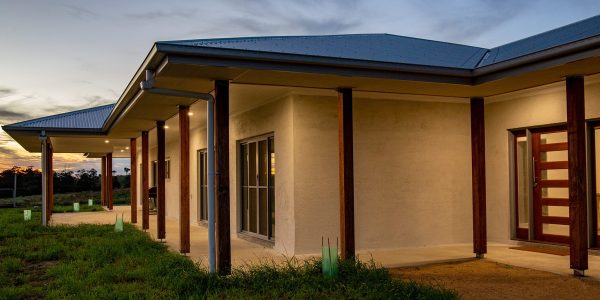
| “Homes for the Future: Sustainable, Affordable and Built from Hemp”. |
Policy Objectives
-
Guarantee safe, affordable and sustainable housing as a human right.
-
Rapidly expand the supply of public and community housing using climate-resilient materials like hempcrete.
-
Promote zero-carbon construction and regenerative urban development.
-
Empower First Nations communities, renters and young people with housing access and ownership pathways.
-
Position industrial hemp as a leading material in eco-construction and job creation.
1. Sustainable Construction with Hemp
-
Mandate the use of hempcrete and hemp-based insulation in all new government-funded housing projects.
-
Establish a National Hemp Housing Innovation Program to scale up hemp processing and train builders in hemp construction.
-
Create a Hemp Housing Building Code Standard to regulate and promote safe, scalable use of hemp in residential buildings.
-
Fund hempcrete exhibition homes to showcase carbon-negative, fire-, pest- and mould-resistant housing.
2. Housing Justice and Affordability
-
New public and community housing dwellings be constructed using sustainable materials, prioritising hemp.
-
Legislate Rent Caps and Controls to stop exploitative increases, linked to CPI or local income levels.
-
Launch a Pathways to Ownership Scheme with low-deposit and rent-to-own options for renters and low-income families.
-
Restore and expand Housing First programs to eliminate homelessness, with wrap-around mental health and drug support services.
3. Climate-Positive & Resilient Design
-
Require all new homes to meet 7-star minimum energy ratings, with incentives for 9-10 stars.
-
Provide grants for retrofitting existing homes with hemp-based insulation and water efficiency tech.
-
Build climate-resilient homes in flood/fire-prone areas with hempcrete and off-grid capability.
-
Establish eco-villages using hemp construction to showcase regenerative design and community living.
4. Rural & Regional Housing Development
-
Fund hemp-powered rural housing programs in towns with high need and high unemployment.
-
Develop tiny house villages for rural workers, students and transitional housing clients—built with hemp panels and solar systems.
-
Prioritise First Nations-led housing projects using hemp materials, co-designed with Traditional Owners and communities.
5. Industry Growth & Jobs
-
Create a National Eco-Construction Jobs Guarantee program to train 25,000 workers in hemp building techniques.
-
Support regional hemp processing hubs tied to local housing demand and agriculture.
-
Offer tax incentives and fast-tracked approvals to developers using low-carbon building methods and materials.
6. Legislative & Institutional Reform
-
Amend the National Construction Code to recognise and streamline approval for hemp-based materials.
-
Update Planning Acts and Local Zoning Laws to allow eco-housing, tiny homes and hemp-based developments.
-
Establish a Hemp Housing Taskforce under the Department of Housing and the Environment to coordinate state-federal action.
7. Transparency, Equity & Inclusion
-
Require all new government housing projects to meet inclusion quotas for:
-
First Nations people
-
People escaping violence
-
Youth under 25
-
Older renters
-
-
Publish a National Housing Equity Scorecard every year to track homelessness, access, rent inflation and sustainable builds.
-
Empower housing co-operatives and land trusts to manage homes and ensure permanent affordability.
Policy Outcomes
-
Homes built with hempcrete or hemp insulation.
-
90% reduction in homelessness.
-
Over 30,000 eco-jobs in sustainable construction.
-
Housing emissions reduced by 60%.