
Real-World Driving Behaviour, Performance and Risk Following Alcohol and Cannabis Use in Habitual Cannabis Users
July 2026
Drivers increase their speed following the use of alcohol while they reduce their speed following the use of cannabis, according to an assessment of real-world driving performance published in the journal Accident, Analysis & Prevention. Researchers assessed real-world driving performance. Participants drove personal vehicles equipped with data acquisition systems recording location, kinematics (vehicle acceleration, motion and velocity) and video.
Substance use was assessed through pre-drive self-reported surveys and periodic breathalyser and saliva tests, allowing trips to be categorised as substance-negative, alcohol-only, cannabis-only, or polysubstance (alcohol and cannabis).

Consistent with driving simulator data, participants who consumed cannabis engaged in compensatory driving behaviour. Researchers reported: “Alcohol-involved trips showed increased proportions of speeding on primary and secondary roads, suggesting impaired judgement or compromised longitudinal vehicle control. In contrast, cannabis-positive trips had speeding proportions closely aligned with baseline conditions, likely indicating habituation or compensatory driving behaviours”.
The study’s authors concluded: “This study marks a significant advancement in impaired driving research by conducting the first large-scale, naturalistic analyses of cannabis, alcohol and their combined use in real-world driving contexts. … Overall, this study contributes valuable real-world evidence to a field that has long relied heavily on experimental paradigms”.
Transportation Research Centre Inc; Virginia Tech Transportation Institute; Department of Biomedical Engineering, Virginia Polytechnic Institute & State University, United States
Driving by Frequent Cannabis Users 'The Morning After' Last Use of Smoked Cannabis: An Observational Driving Simulator Study
March, 2026
Cannabis consumers exhibit no next-day driving impairment despite having trace levels of THC in their blood. Canadian investigators assessed consumers’ psychomotor performance some 12 hours after they last inhaled cannabis. Their performance was compared to that of subjects with no history of use. Participants in both groups exhibited similar driving performance. Despite showing no significant degree of impairment, consumers possessed mean concentrations of THC in their blood above 2ng/ml.
“Neither blood nor oral fluid THC, CBD, or metabolites was significantly correlated with any measure of driving” the study’s authors concluded. “The regular cannabis use group showed no significant impairment in driving performance 12-15 hours after last cannabis use the night before, compared to the control group”.
University of Toronto, Toronto, Canada.
Recent Advances in the Science of Cannabis-Impaired Driving
February, 2026
The detection of THC in biological fluids is not predictive of psychomotor impairment, according to a literature review published in the journal Current Addiction Reports. Researchers at Brown University, Rhode Island, United States affirmed: “There are no reliable or practical biochemical or behavioral methods used in real-time with drivers on the road to determine cannabis-induced impairment. … Many studies have found weak or non-existent correlations between THC concentrations in blood, oral fluid, or breath and actual driving performance or impairment”.
That finding is consistent with the opinions of numerous scientists and traffic safety groups, including the National Highway Traffic Safety Administration and the American Automobile Association. The study authors concluded: “These findings collectively underscore that THC concentrations in common biofluids (e.g., blood and saliva) and exhaled breath are unreliable as sole indicators of current driving impairment. … There are no empirically supported thresholds for blood or oral fluids that reliably indicate cannabis impairment”.
Brown University School of Public Health; Providence VA Medical Centre, Rhode Island; University of Missouri, United States.
Per Se Driving Under the Influence of Cannabis Statutes and Blood Delta-9-Tetrahydrocannabinol Concentrations following Short-Term Cannabis Abstinence
12 November, 2025
Subjects who have not recently consumed cannabis but still have residual levels of THC in their blood perform no differently on a driving simulator than do those who are THC-negative. Researchers affiliated with the University of California at San Diego assessed THC blood levels and simulated driving performance in a cohort of 190 regular cannabis consumers. Study subjects were required to have abstained from cannabis for 48 hours prior to participating in the study.
Post-abstinence, nearly half of the study participants had detectable levels of THC (above 0.5ng/ml) at baseline, with one-quarter of participants testing positive for more than 2ng/ml of THC in blood. However, those testing positive for THC showed no significant differences in their baseline driving scores as compared to those with no quantifiable THC concentrations.
University of California at San Diego, California; Thomas Jefferson University, Philadelphia, Pennsylvania, USA.
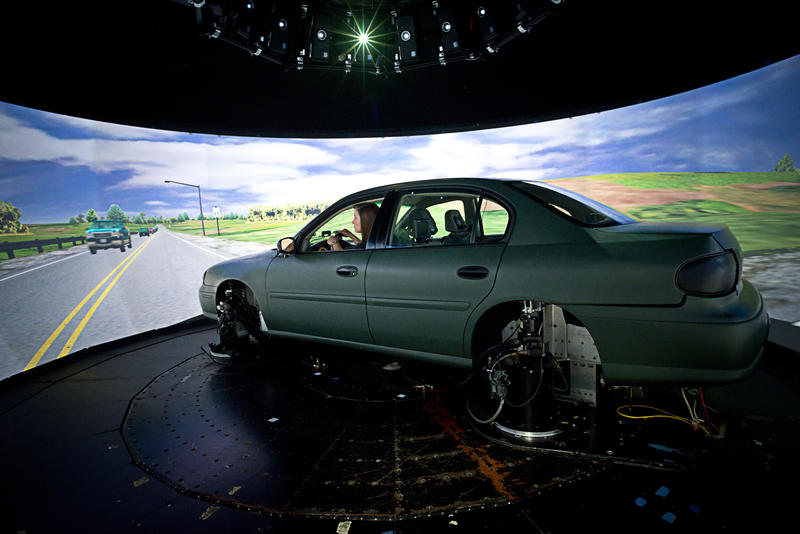
Impact of Naturalistic Cannabis Use on Lateral Control and Speed: A Driving Simulator Study
October, 2025
This study examined driving performance after cannabis use, inclusive of high concentration tetrahydrocannabinol (THC) products. The absence of decrements in driving performance in the daily use groups supports a role of tolerance in mitigating acute impairment. When changes in driving performance were observed, the effect size was notably small. These findings underscore the challenges of developing standardised impairment thresholds in the presence of large inter-individual variability in driving performance and tolerance to cannabis with daily use.
University of Colorado Anschutz Medical Campus, Aurora; Colorado State University, Fort Collins, Colorado; University of Iowa, Iowa City, Iowa; Emory University, Atlanta, Georgia, USA.
The Effects of Orally Ingested Delta-9-Tetrahydrocannabinol on Drivers’ Hazard Perception and Risk-Taking Behaviours: A Within-Subjects Study of Medicinal Cannabis Users
July, 2025
Australian researchers assessed subjects’ simulated driving performance prior to and 90 minutes after their ad libitum consumption of prescribed THC oil extracts. Similar to the results of prior studies, subjects engaged in compensatory driving behaviours—such as driving at slower speeds and increasing the distance between their vehicle and the vehicles in front of them—following THC dosing. Few other changes in participants’ baseline performance were identified, leading investigators to presume that patients likely become tolerant to THC’s potential effects on cognitive and psychomotor performance.
“Our results align with a growing body of evidence demonstrating that chronic THC use can mitigate the acute effects of the substance on driving performance and driving-related cognitive functions” researchers reported. The study authors concluded: “Taken together, our findings suggest that … medicinal cannabis users may … be more inclined to compensate for cannabis impairment through alterations in speed and following distance. … Future research is needed to further investigate the effects of THC on these driving-related skills and behaviours using a wider range of doses and administration methods, with populations of varying tolerance levels”.
University of the Sunshine Coast, Sippy Downs; University of Queensland, Brisbane, Queensland, Australia.
Assessing the Impact of Cannabis Use on Freeway Driving Performance and Practices: A Comparative Analysis with Placebo and Alcohol-Influenced Driving
August, 2024
Standard deviation of lane position (SDLP) for cannabis significantly increased compared to placebo and the effect size was comparable to that of alcohol at .05 BrAC. Lane departures for cannabis significantly increased relative to placebo as did the time out of the lane. Cannabis use resulted in an increased amount of time at 10% or more below the speed limit for the 6.18% THC condition. Relative to alcohol, cannabis produced more time at slower speeds and less time at speeds more than 10% above the speed limit.
Multiple factors of lateral and longitudinal vehicle control on the freeway showed statistical significance. Drivers under the influence of cannabis exhibited higher rates of driving errors but also showed more cautious behaviours such as generally lower speeds on the freeway. Compared with alcohol, effect sizes varied. For longitudinal control, there were larger effect sizes for alcohol with speed effects in opposite directions, but relatively equivalent effect sizes for lateral control and driving errors associated with lane keeping.
This work was supported by the National Institute on Drug Abuse (NIDA), USA.
University of Iowa Driving Safety Research Institute; College of Liberal Arts and Sciences & College of Pharmacy, University of Iowa, Iowa City, Iowa, USA.
A Semi-Naturalistic Open-Label Study Examining the Effect of Prescribed Medical Cannabis Use on Simulated Driving Performance
08 February, 2024
Driving performance outcomes including standard deviation of lateral position (SDLP), the standard deviation of speed (SDS), mean speed and steering variability were evaluated using the Forum8 driving simulator at baseline (pre-dosing), 2.5 h and 5 -h (post-dosing). Perceived driving effort (PDE) was self-reported after each drive. This semi-naturalistic study suggests that the consumption of medical cannabis containing THC (1.13-39.18 mg/dose) has a negligible impact on driving performance when used as prescribed.
Centre for Mental Health and Brain Sciences, Swinburne University of Technology, Hawthorn; Institute for Breathing and Sleep (IBAS), Austin Health, Melbourne, Victoria, Australia.

Risk of Motor Vehicle Collision Associated with Cannabis and Alcohol Use Among Patients Presenting for Emergency Care
24 January, 2024
Cannabis alone not associated with higher odds of motor vehicle collision (MVC), while acute alcohol use alone and combined use of alcohol and cannabis were both independently associated with higher odds of MVC. Stratifying by level of self-reported or measured cannabis use, higher levels were not associated with higher odds for MVC, with or without co-use of alcohol; in fact, high self-reported acute cannabis use was associated with lower odds of MVC.
In the case-crossover analysis, alcohol use alone or in combination with cannabis was associated with higher odds of MVC, while cannabis use alone was again associated with decreased odds of MVC. Emphasis on actual driving behaviours and clinical signs of intoxication to determine driving under the influence has the strongest rationale.
Oregon Health & Science University, and, Portland State University, Portland, Oregon; Department of Emergency Medicine, Denver Health Medical Centre, University of Colorado School of Medicine, Colorado; Department of Emergency Medicine, University of California Davis, Sacramento, and, Alcohol Research Group, Emeryville, California; Insurance Institute for Highway Safety, Arlington, Virginia, USA.
Driving Under the Influence of Cannabis: Impact of Combining Toxicology Testing with Field Sobriety Tests
25 May, 2023
Impairment is difficult to define because there is no universally agreed-upon task that can be used to define driving impairment. The relationship between blood ∆9-THC concentrations and crash risk is not established, but there is a clear understanding that ∆9-THC impairs driving performance in many, but not necessarily all, individuals.
Centre for Advanced Laboratory Medicine, Centre for Medicinal Cannabis Research, University of California San Diego; Vividion Therapeutics, San Diego; Santa Clara Valley Medical Centre, San Jose, California; Qualitox Labs, Pennsylvania, USA.
Medical Cannabis and Automobile Accidents: Evidence From Auto Insurance
June 2022
Consistent with an improvement in traffic safety, the legalisation of medical cannabis leads to a decrease in auto insurance premiums. The effect is stronger in areas directly exposed to a dispensary, suggesting increased access to cannabis drives the results. In addition, relatively large declines in premiums seen in areas with relatively high drunk driving rates prior to medical cannabis legalisation. This latter result is consistent with substitutability across substances.
Fox School of Business, Temple University, Philadelphia, Pennsylvania; University of Arkansas at Little Rock, Arkansas; College of Business, Eastern Kentucky University, Kentucky, US.
Back to Facts in a Little More Depth