
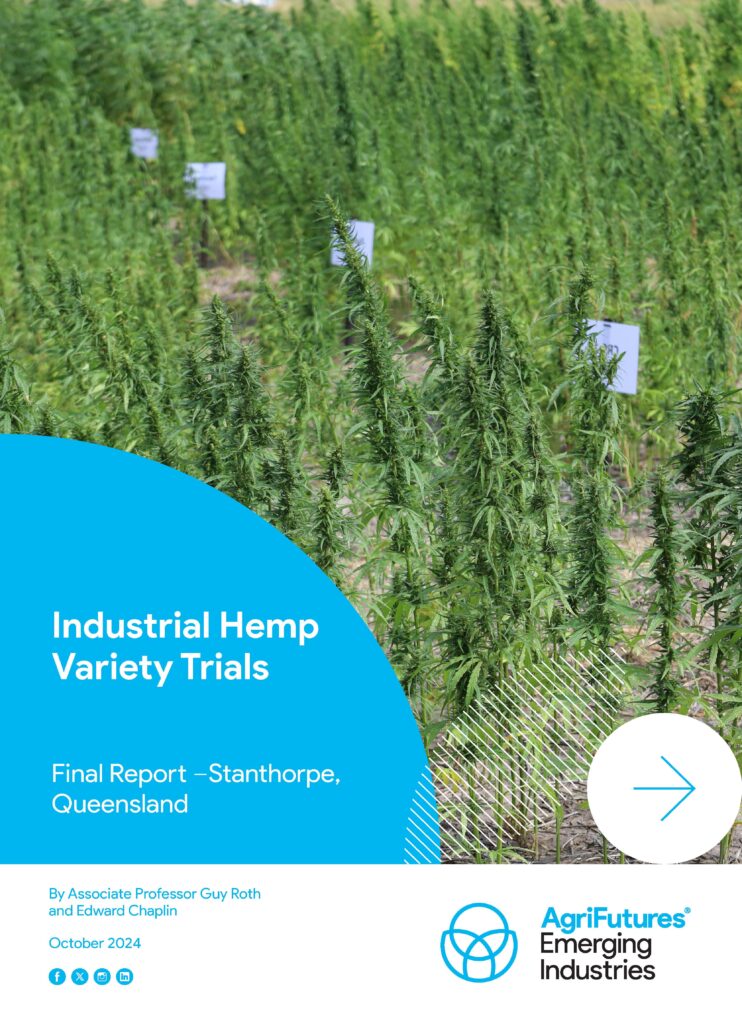
Australia’s industrial hemp industry has entered a new era with the release of final results from the Industrial Hemp Variety Trials (IHVT), a coordinated, nationwide effort spearheaded by AgriFutures Australia. After three years of testing 30+ hemp cultivars across nine diverse climate zones, the country now has its first robust, evidence-based roadmap to guide growers, processors and investors in planting decisions.
The IHVT project marks the most comprehensive hemp seed performance evaluation in Australian history. From Tasmania’s cool temperate south to Queensland’s tropical north, researchers gathered invaluable data on grain and fibre yields, sowing windows, THC stability and regional adaptability. The results? Hemp is versatile—but not one-size-fits-all.
-
Northern climates (e.g. tropical Queensland) saw top performance from Chinese-developed genetics, delivering vigorous biomass and strong grain yields.
-
Southern zones (e.g. Victoria, Tasmania) saw European and Canadian cultivars excel with consistency and quality under cool-climate conditions.
-
Australian-adapted varieties showed emerging promise in mid-latitude regions, reinforcing the need for targeted local breeding programs.
Alongside genetic performance, the IHVT initiative standardised agronomic recommendations across sites:
- Sowing times matter. In northern regions, planting April–May led to the best results. In southern states, sowing during November-December performed best.
- Irrigation and density guidance was refined and shown to work with site-level adjustments.
But the trials also exposed critical constraints:
- Seed quality is still a weak link. Some imported seed lots showed germination rates as low as 14%.
- Quarantine bottlenecks caused delays, undermining planting windows.
- THC variability under local conditions proved that relying on international certificates is risky. One imported variety exceeded Australia’s legal 1.0% THC threshold and was destroyed.
The takeaway? Environmental fit matters and so does active monitoring. THC levels can shift significantly in response to soil, heat and day length. Local cultivation demands local oversight.
The final IHVT report identifies three systemic reforms needed to scale Australia’s hemp sector:
- National seed certification—to ensure reliability, traceability and compliance
- Investment in domestic breeding—particularly regionally adapted genetics
- Regulatory harmonisation across states—including THC testing methods and seed movement rules
AgriFutures will host a national webinar on Thursday, 27 November 2025, 11:30am—12:30 pm AEDT. The session will include key takeaways from regional trials, next-phase research plans and insights for growers and investors alike.
4 November, 2025