
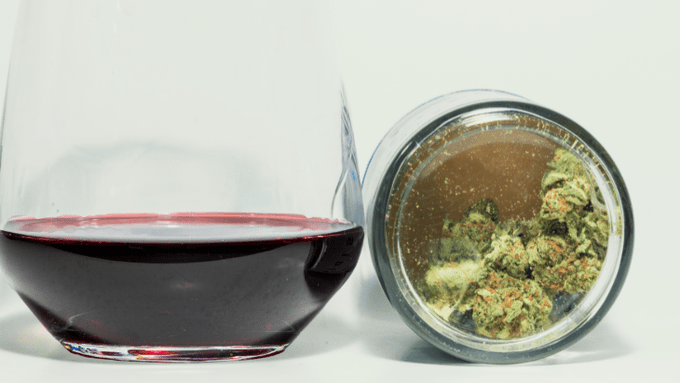
In the United States, the passage of adult-use legalisation in California (in 2016, with legal sales from 2018) is associated with sustained decreases in alcohol consumption, according to data from researchers affiliated with the University of California, San Francisco and the healthcare provider Kaiser Permanente. They assessed trends in self-reported alcohol consumption among northern Californians prior to and following voters’ decision to legalise. The investigators reviewed data from over 3.5 million adults who underwent annual screenings for alcohol use during visits with their primary care doctors, over four years.
Researchers identified sustained declines in participants’ weekly drinking patterns, as well as in how often they engaged in heavy episodic drinking (HED), following legalisation. Declines were most pronounced among those ages 35 to 49. “Specifically, this group showed a significant immediate reduction in frequent HED, along with gradual declines over time in HED and rates of exceeding both daily and weekly limits” investigators determined. “This may suggest that cannabis policy changes contributed to a meaningful shift away from higher risk drinking behaviours, potentially reflecting greater substitution effects as compared to younger groups”.
Declines were less pronounced among those ages 21 to 34 and among those 65+. The study’s authors concluded, “Cannabis policy changes in California, USA, appear to be linked to age-specific changes in alcohol use, with moderate reductions, particularly among middle-aged adults”. The findings are consistent with those from Canada determining that alcohol sales declined in that country following the adoption of adult-use legalisation. Survey data published in 2024 in The Harm Reduction Journal found that 60% of cannabis consumers acknowledge using cannabis to reduce their alcohol intake.
1 August, 2025