
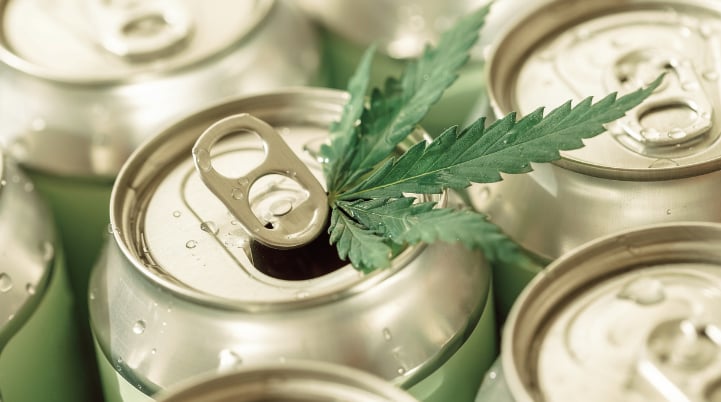
Those who consume cannabis-infused beverages are more likely to reduce their alcohol intake, according to data published in the Journal of Psychoactive Drugs. Researchers affiliated with State University of New York, Buffalo, assessed trends in alcohol consumption among a cohort of individuals age 18 or older who acknowledged having used cannabis products during the past year. They determined that respondents who consumed cannabis beverages “were more likely to report substituting cannabis for alcohol than non-users. They also reported fewer weekly alcoholic drinks after starting cannabis beverages compared to before and binge drank less frequently”.
The study’s authors concluded: “Findings suggest cannabis beverages may support alcohol substitution and reduce alcohol-related harms, offering a promising alternative for individuals seeking to lower alcohol intake. … Substitution of alcohol with cannabis may function as a harm reduction strategy and cannabis beverages may be particularly useful for these purposes”.
The findings are consistent with those of other recently published studies. A study published in September in the journal Drug and Alcohol Dependence reported subjects in a laboratory setting reduced their intake of alcoholic beverages by 25% following cannabis inhalation. Another study, published in November, similarly reported participants reduce their alcohol intake by as much as 27% following cannabis consumption.
A third study, published in December, determined patients seeking treatment for alcohol use disorder “consumed a mean of 8.08 daily MAP [Managed Alcohol Program]-provided standard drinks prior to the introduction of cannabis substitution and a mean of 6.45 daily MAP-provided standard drinks after its introduction”. Commenting on the results, NORML’s Deputy Director Paul Armentano said: “These consistent findings provide support for the notion that legal cannabis can serve as a substitute for alcohol among certain individuals, and that legal cannabis markets may, in some instances, disrupt alcohol-dominant marketplaces”.
19 January, 2026